Moving equipment through remote conservation areas has traditionally required conventional helicopters, particularly when loads cannot be carried safely or efficiently by field teams.
For this New Zealand operation, Pro Vision used the DJI FlyCart 30 to relocate 42 wildlife traps into more precise positions, demonstrating how remote lifting drones can support conservation work while reducing reliance on larger aircraft.
The project team needed to move 42 traps across a remote wildlife management area.
The traps were already in the field but needed to be repositioned more accurately to support the wider conservation programme. Moving them manually would have been difficult and inefficient, while the conventional alternative was a large and expensive helicopter operation.
The team needed a lifting method that could:
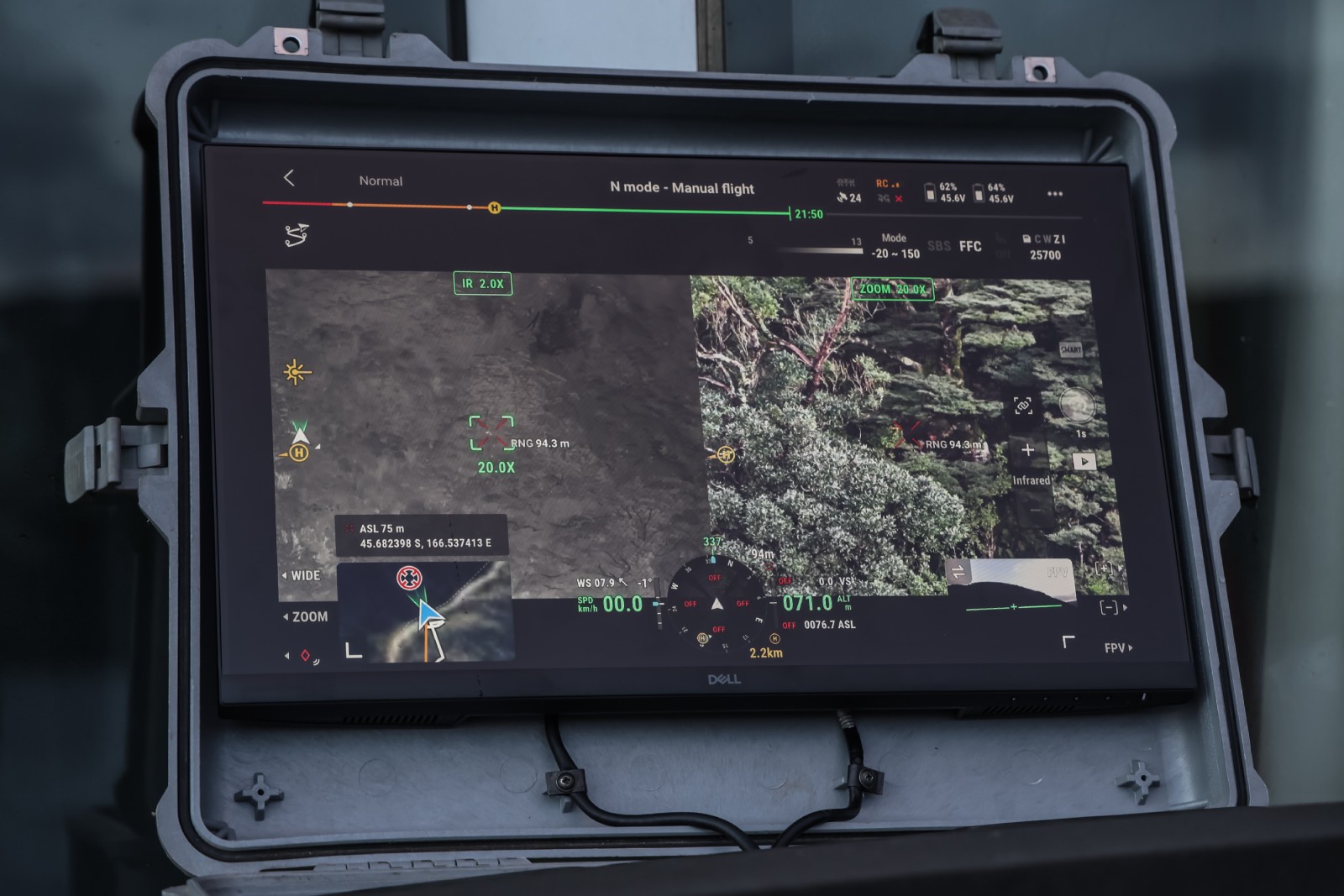
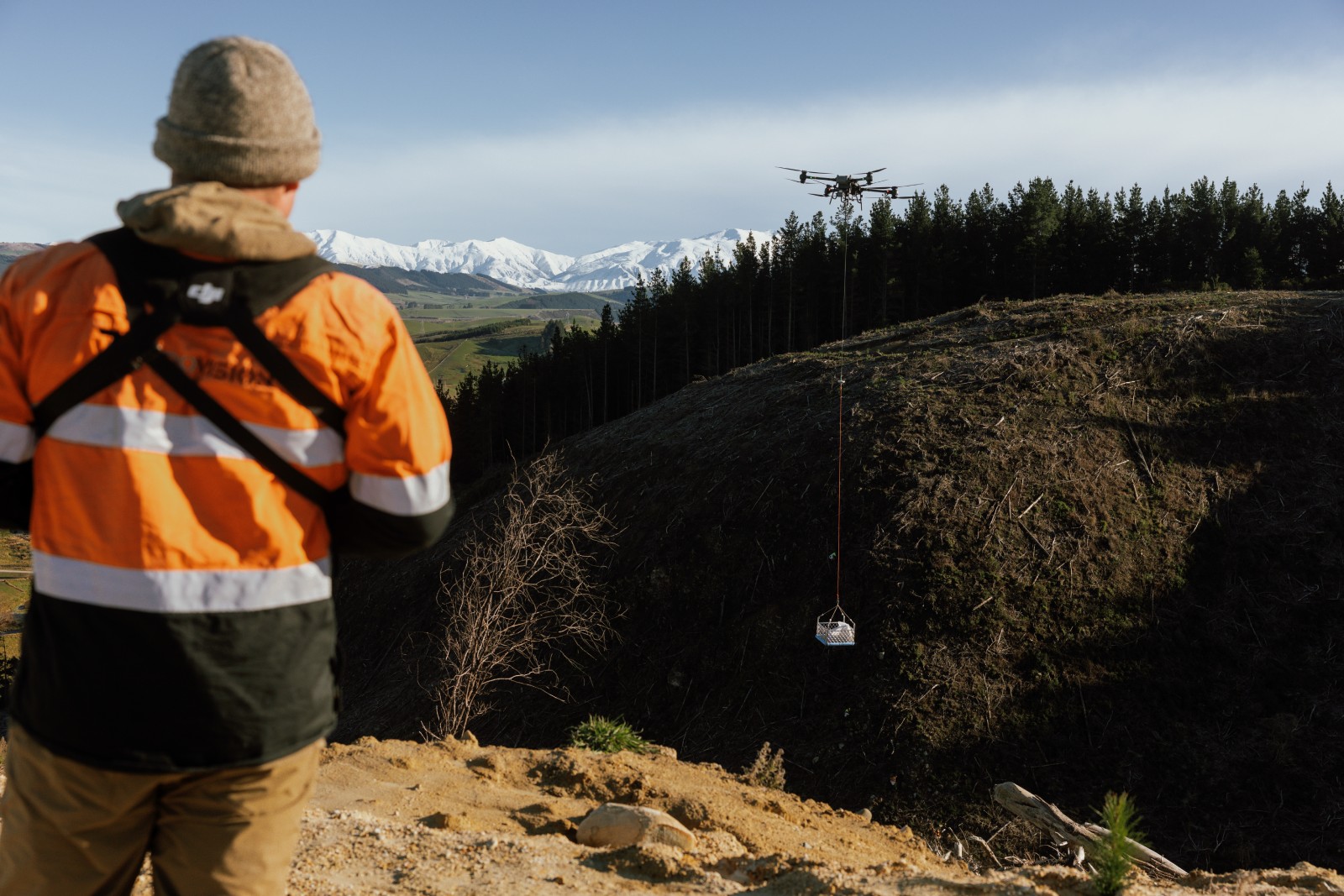
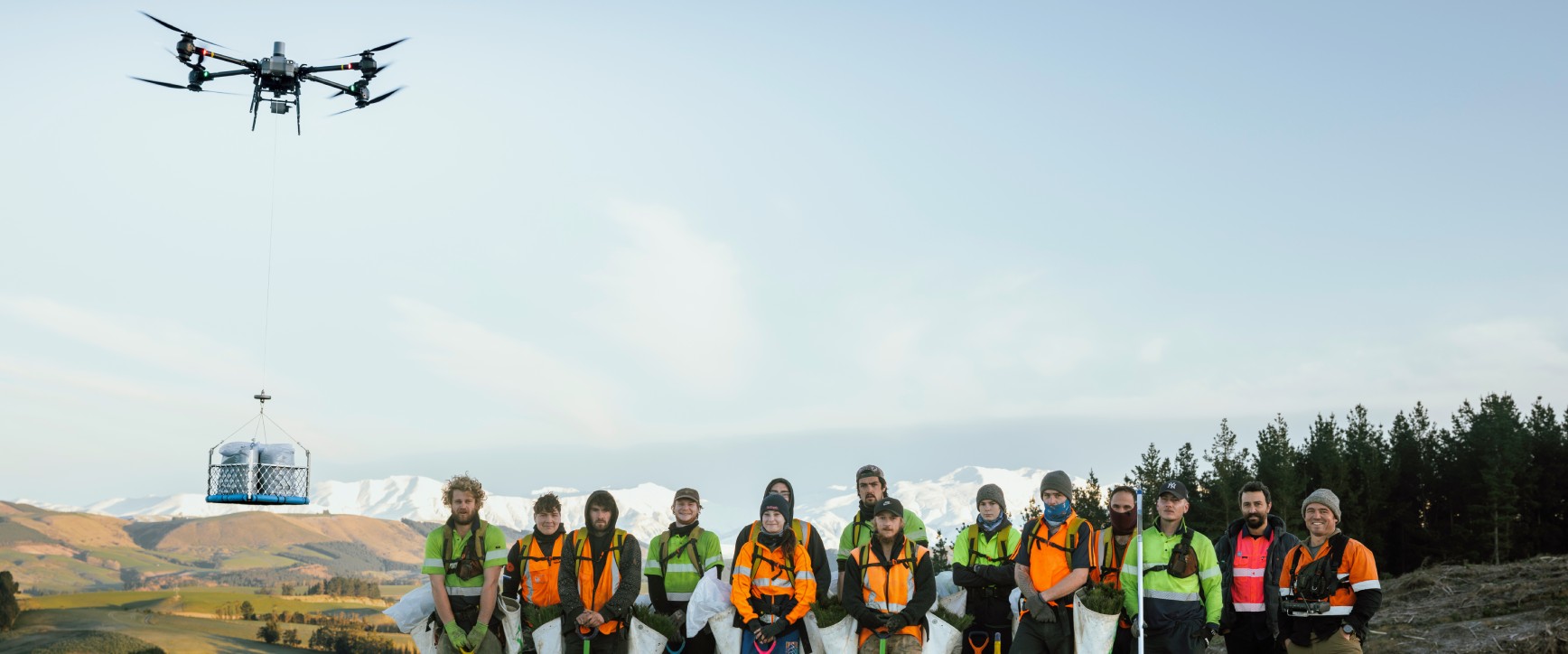
Pro Vision deployed the DJI FlyCart 30 to lift and transport the traps across the operational area.
The drone allowed the field team to move each trap directly to a more suitable location, combining remote lifting capability with precise aerial placement.
Pro Vision’s approach was informed by extensive practical experience in field operations. Having worked from the ground up in the industry, the team understood the challenges faced by field operators and could apply new technology in a way that made the work easier and more efficient.
Before this operation, the traps would typically have been moved using a conventional helicopter.
Although helicopters remain essential for many heavy-lifting and remote-access tasks, they can be disproportionately large and costly for smaller, targeted loads.
The FlyCart 30 provided a more specialised option for this particular job, allowing the team to complete the lifting work using equipment suited to the scale and precision of the task.
The operation aligned closely with the conservation team’s wider commitment to using innovative techniques to protect New Zealand wildlife.
Drone lifting technology allowed the team to test a new operational method in a real-world environment, rather than treating innovation as a purely theoretical exercise.
As a project representative explained:
“The task for the day was to use the drone to fly the 42 traps and move them into more precise locations. It’s worked a dream.”
All 42 traps were successfully moved into the locations required by the client.
The operation achieved the planned task and demonstrated that remote lifting drones could provide a practical alternative to conventional helicopters for selected conservation and wildlife management work.
For the Pro Vision team, the project also represented the successful implementation of an idea that had been under consideration for some time.
“To implement it and achieve everything the client wanted was a great success.”
This operation was an early demonstration of what remote lifting drone technology could contribute to conservation and field operations in New Zealand.
By combining practical field knowledge with emerging aircraft technology, Pro Vision can help organisations assess where remote lifting drones may improve access, precision and operational efficiency.
The successful relocation of the 42 traps showed that the DJI FlyCart 30 has the potential to support a much wider range of remote transport and lifting tasks in the future.