Removing the last remaining pests from a large and complex landscape requires more than conventional ground-based control. It demands accurate detection, efficient coverage and a clear record of every operation.
For this New Zealand project, Pro Vision supported a client working towards an ambitious goal: eliminating the remaining predators, hares and rabbits from an extensive valley environment.
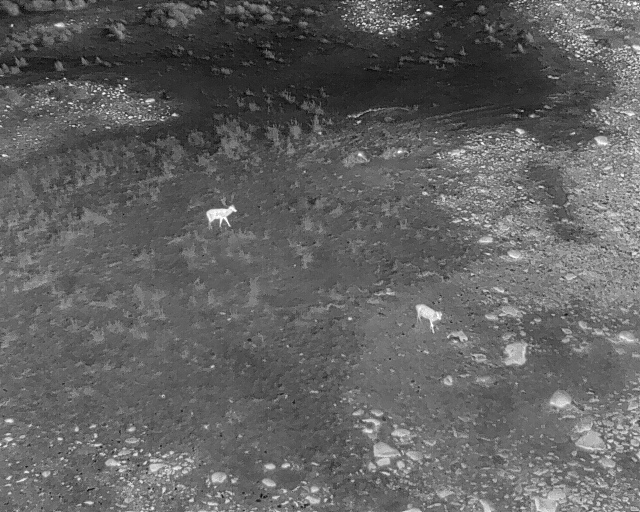
As pest numbers decline, the remaining animals become increasingly difficult to locate. Large landscapes, uneven terrain and limited visibility at night make comprehensive searching challenging, while missed areas can undermine the wider elimination programme.
The client needed a method that could:
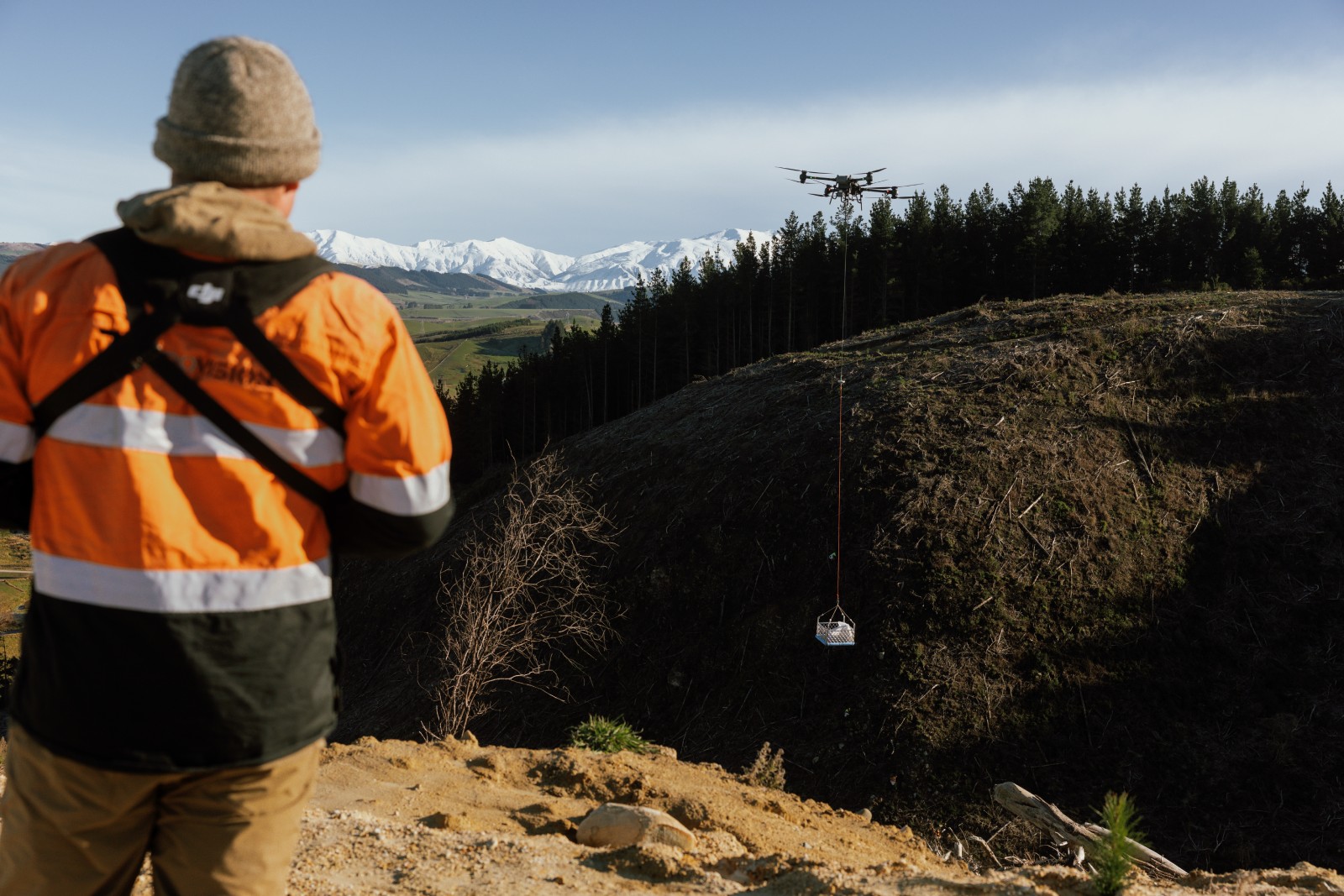
Each night, the Pro Vision team arrived onsite and established a coordinated thermal drone operation.
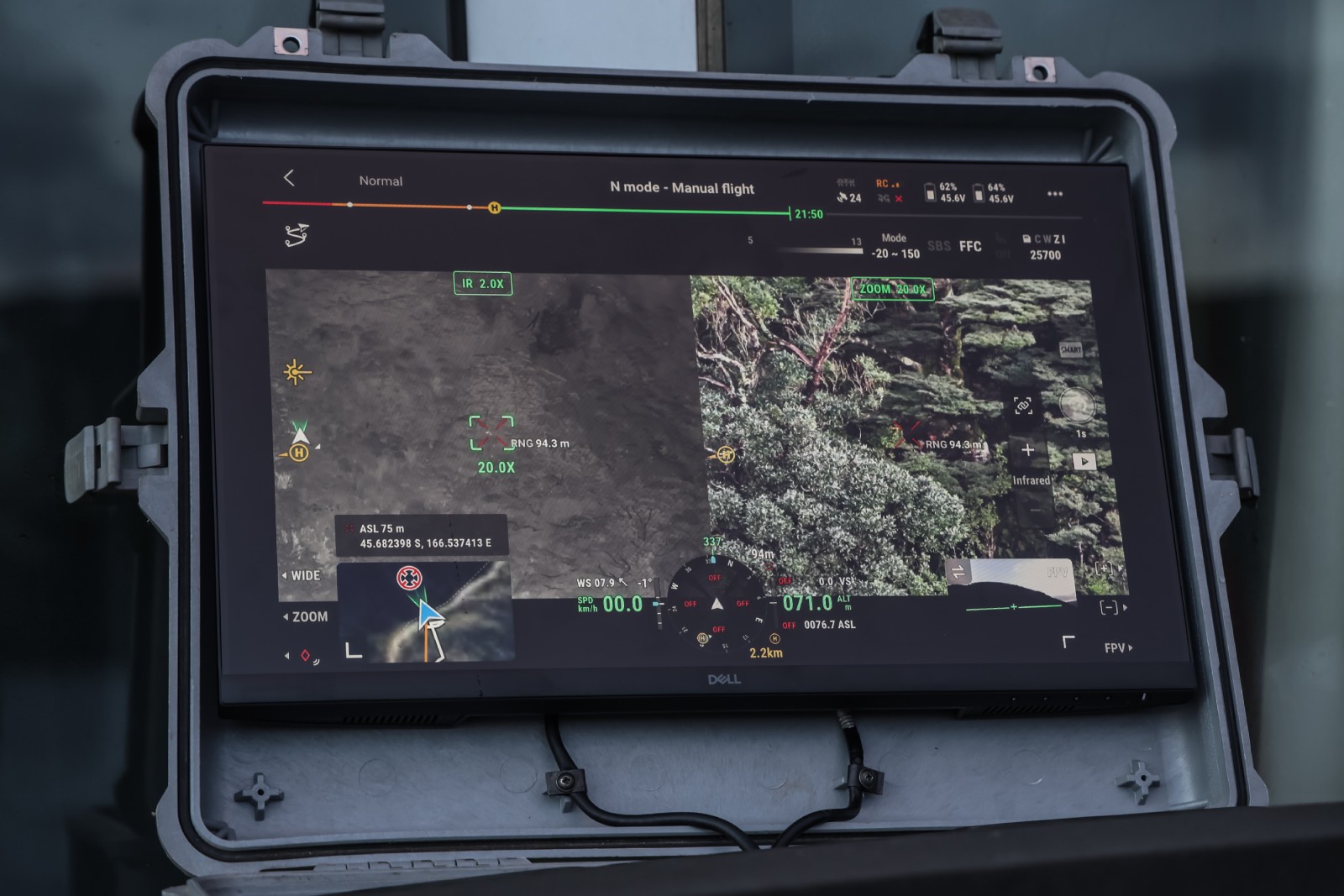
Large monitors allowed the onsite shooter and supporting team to watch the drone’s thermal feed as the landscape was searched. This gave the ground team immediate visibility of potential targets and helped make the overall operation faster and more efficient.
Pro Vision also developed an automated thermal flight method designed specifically for large-scale pest detection.
Using terrain-following technology, carefully planned flight-line spacing and a camera angle selected for the target species and landscape, the drone could search the countryside methodically while reducing the risk of missing sections.
The automated flight setup allowed the team to search approximately 100 hectares per hour.
The drone’s speed, altitude, camera position and flight path were configured to provide effective thermal coverage across the valley, helping the team search consistently even over variable terrain.
This systematic approach provided greater confidence that the operational area had been thoroughly covered.
The technology was only one part of the operation.
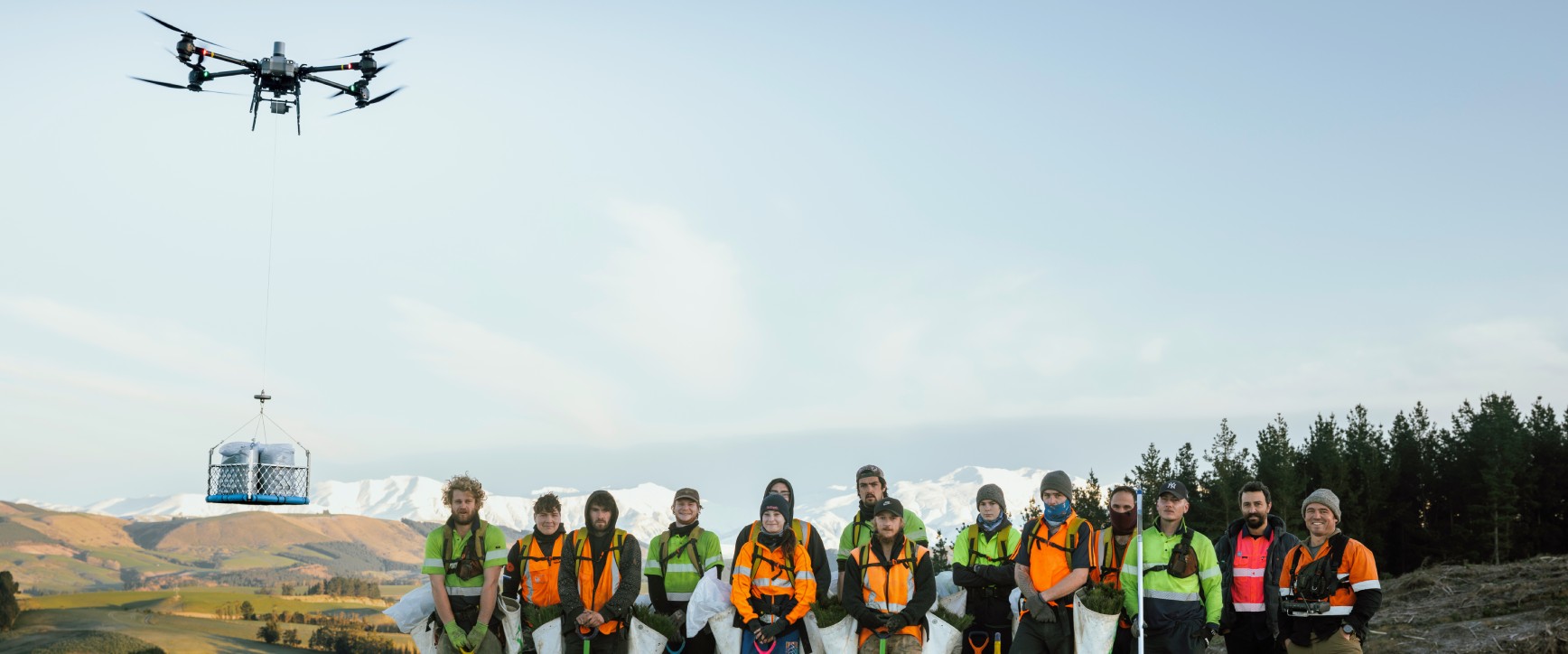
Pro Vision worked closely with the onsite pest-control team, continually looking for ways to improve the process through new equipment, better workflows and practical ideas developed in the field.
As one project team member explained:
“It’s always great working with Pro Vision. They’re always looking at ways to make improvements, whether that’s new gear or coming up with new ideas to make us even more efficient as we try to achieve elimination.”
The work did not finish when the drone landed.
Following each night of thermal drone operations, Pro Vision collected the flight information and operational data and supplied it to the client.
This gave the client a clear record of the work completed and valuable information to support future pest-control planning and progress towards elimination.
By combining automated thermal flights, terrain-following technology, real-time support for ground shooters and post-operation data reporting, Pro Vision provided an efficient and repeatable way to search a large landscape for remaining pest animals.
The approach helped the client work towards its wider conservation goal with greater coverage, better visibility and a more coordinated field operation.